Skiing in the Rain: What to Wear and How to Stay Dry
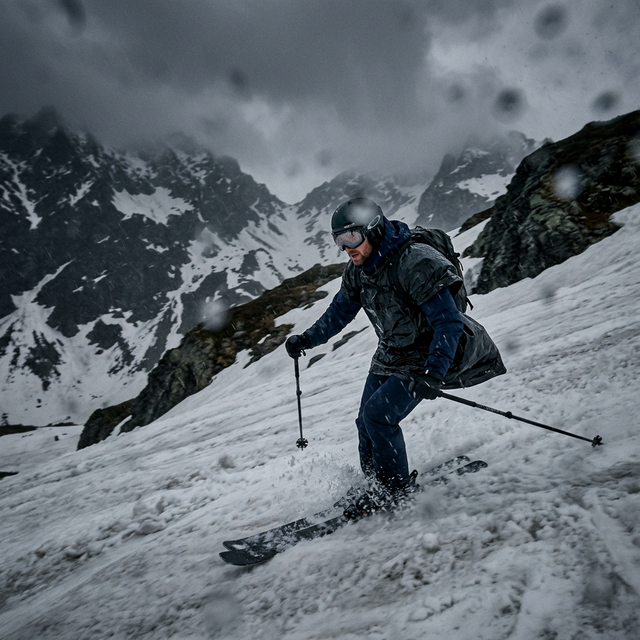
Skiing in the Rain: What to Wear and How to Stay Dry
If you spend enough days on the mountain, eventually you will find yourself staring down a forecast calling for rain instead of snow. A common question seen on Reddit’s r/skiing community is: “Is skiing in the rain worth it, and what on earth do I wear?”
The truth is, rainy days often mean empty lift lines, soft snow, and a surprisingly good time—if you know exactly what to wear skiing in the rain. The secret lies entirely in your layering and waterproofing.
Here is the ultimate guide to keeping the water out and the warmth in.
1. The Core Rule: Absolutely No Cotton
If you only remember one thing, let it be this: Cotton is the enemy. Cotton absorbs moisture rapidly and absolutely refuses to dry. When cotton gets wet, it immediately pulls heat away from your body, leaving you shivering on the chairlift.
What to wear instead: Your base layers (the clothing touching your skin) must be moisture-wicking.
- Merino Wool: Excellent at regulating temperature and keeps you warm even when soaking wet.
- Synthetic Blends: Polyester or nylon base layers dry incredibly fast and move moisture away from your body.
2. Your Outer Shell Must Be Truly Waterproof
A standard, insulated ski jacket that handles light snow will often fail in a sustained downpour. Snow sits on the fabric, but rain drives right into it.
What to look for in your outer layers:
- High Waterproof Rating: Look for Gore-Tex, eVent, or materials with a rating of at least 20,000mm.
- Fully Taped Seams: It does not matter how waterproof your jacket’s fabric is if water seeps in through the stitching. Look for “fully factory-taped seams.”
- Bibs over Pants: Ski bibs provide an overlapping barrier. When you bend over or sit on a wet chairlift, rain easily sneaks down the back of regular ski pants. Bibs prevent this entirely.
3. Mid-Layers for Warmth
Since your outer layer on a rainy day will likely be an uninsulated hard shell, your mid-layer is responsible for keeping you warm.
- Fleece: A classic choice. Fleece continues to insulate even if a little moisture sneaks in.
- Synthetic Puffer: Synthetic down maintains its loft and insulating properties when wet. Avoid natural goose down, which clumps up and becomes useless if exposed to heavy rain.
4. Protecting the Extremities (Hands and Eyes)
The two things that will force you into the lodge fastest are freezing hands and foggy vision.
Gloves: Leather gloves treated heavily with a waterproofing wax (like Sno-Seal or Hestra Leather Balm) are often superior to standard synthetic gloves. Alternatively, extreme wet weather demands proper Gore-Tex over-mittens. Some dedicated storm skiers even keep a spare pair of gloves in an inside pocket to swap out at lunch.
Goggles and Vision: Rain on goggle lenses causes two problems: droplets blocking vision, and severe fogging due to high humidity.
- Wipe Gently: Do NOT aggressively wipe the inside of your goggles; you will rub off the anti-fog coating.
- The Secret Trick: Bring a small microfiber cloth. Some skiers even apply a tiny amount of Rain-X (ensure it is safe for plastics!) to the outer lens so water beads right off.
Embrace the Trash Bag Poncho
It might look ridiculous, but when the skies truly open up, an emergency plastic trash bag with holes cut for your head and arms is the ultimate, undefeated wind and water barrier. Wear it over your jacket, and you might be the only dry person left on the mountain!
Skiing in the rain is all about managing expectations and utilizing the right gear. Dress appropriately, accept that you might get slightly damp, and enjoy having the entire mountain to yourself.