Ski Goggle Lens Tint Guide: Understanding VLT for All Conditions
Ski Goggle Lens Tint Guide: Understanding VLT for All Conditions
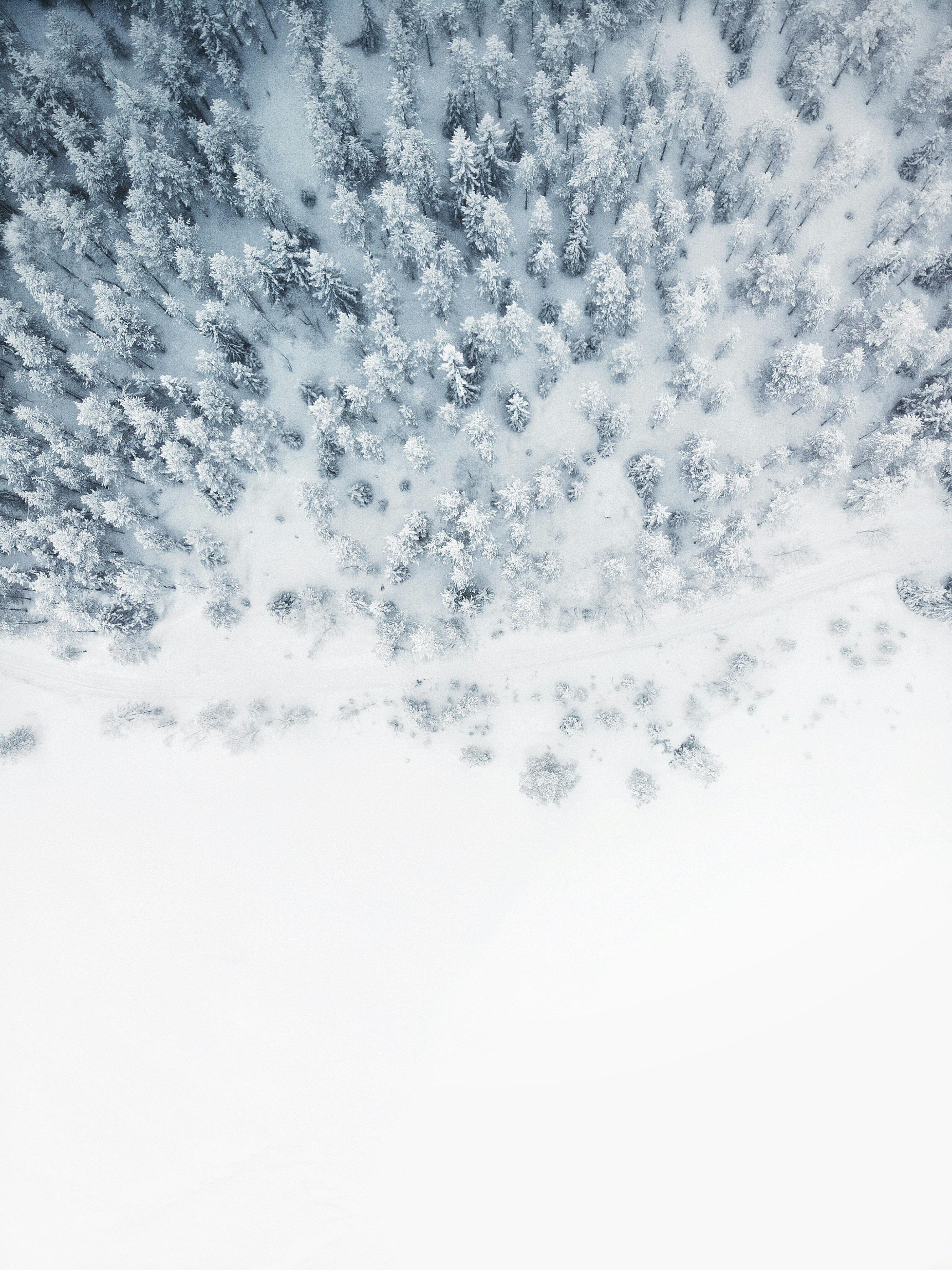
Ever been stuck on a mountain where the ground looks completely white and flat? That’s called “flat light,” and it’s dangerous because you can’t see the bumps or ice patches ahead. The solution? The right lens tint.
Different weather conditions require different VLT (Visible Light Transmission) percentages. Here is the ultimate guide to picking the right lens color.
What is VLT?
VLT stands for Visible Light Transmission. It is the percentage of light that passes through the lens to your eye.
- Low VLT (5-15%): Blocks most light. Good for bright sun.
- High VLT (50-90%): Allows most light in. Good for night skiing or heavy snow.
Lens Color Guide by Weather
1. Sunny / Bluebird Days (Low VLT: 5-15%)
- Colors: Black, Dark Grey, Mirrored Gold/Silver.
- Why: These block intense UV rays and glare from the snow.
- Best For: Spring skiing, high altitude sun.
2. Partly Cloudy / Variable (Med VLT: 15-40%)
- Colors: Red, Green, Copper, Rose.
- Why: These are the most versatile “everyday” lenses. They add contrast without being too dark if clouds roll in.
- Best For: Typical resort days.
3. Overcast / Flat Light / Snowing (High VLT: 40-70%)
- Colors: Yellow, Persimmon (Orange), Pink.
- Why: These colors filter out blue light, which increases contrast and helps you see the texture of the snow in flat light.
- Best For: Storm days, deep powder days.
4. Night Skiing (Very High VLT: 80-99%)
- Colors: Clear or very light Yellow.
- Why: You need maximum light transmission to see under artificial lights.
- Best For: Niseko night skiing!
The Importance of Photochromic Lenses
Can’t decide? Photochromic lenses automatically adjust their tint based on UV exposure. They darken in the sun and lighten in the shade. While convenient, they sometimes struggle to transition fast enough in quick tree runs (light to dark transitions).
Find Your Perfect Lens Tint
Use our interactive tool to get a personalized recommendation based on your typical skiing weather.
Get Lens Recommendation
Select your weather (Sunny, Cloudy, Snowing, Night) and get the best VLT range.
Start Tool →